
Trezor Start® — Starting Up Your Device | Trezor®
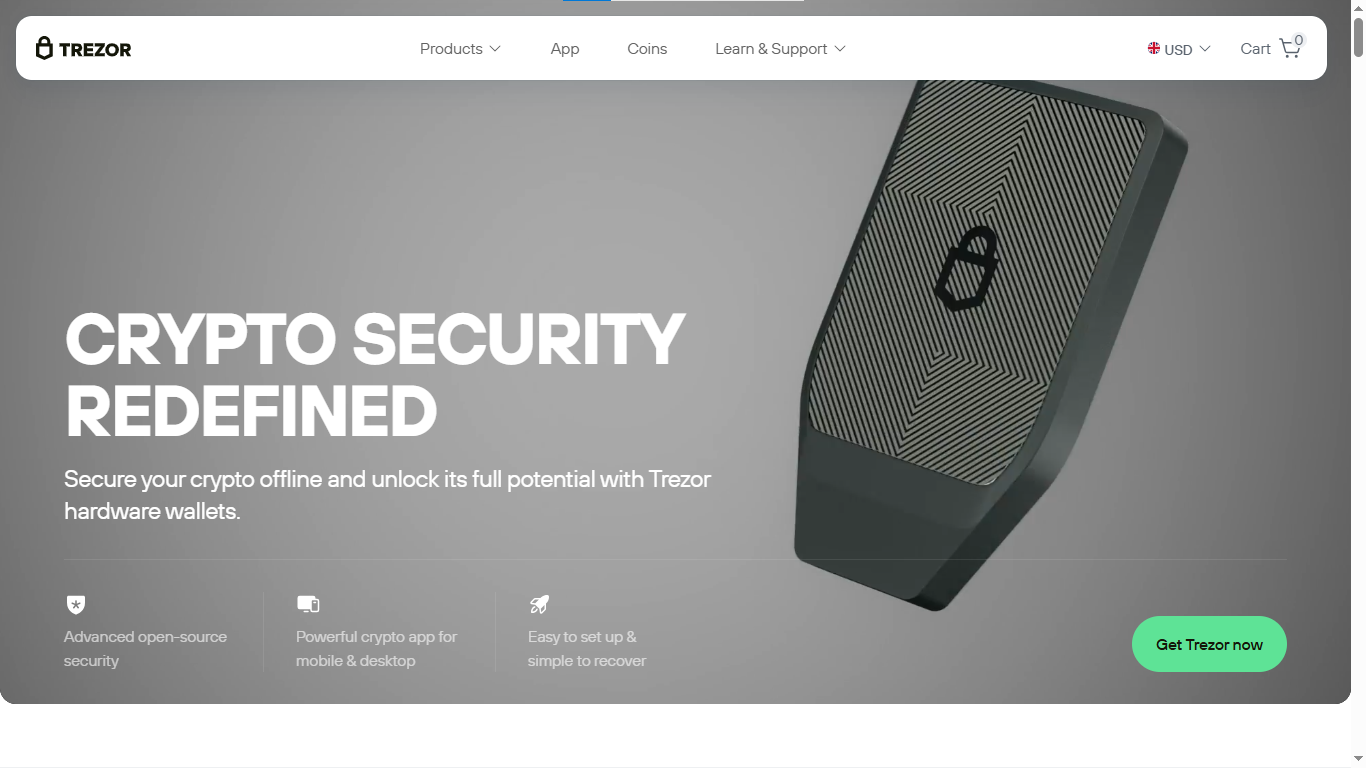
Trezor.io/start: A Simple Guide to Getting Started With Your Trezor Wallet
Managing digital assets securely starts with choosing the right storage solution. A hardware wallet provides an additional layer of protection by keeping important wallet credentials away from many online threats. For users setting up a Trezor device, Trezor.io/start is a useful starting point for understanding the setup process, preparing the device, and learning essential security practices.
Before beginning, make sure you have your Trezor hardware wallet, a compatible computer or mobile device, a reliable internet connection, and the official documentation that came with your device. Always verify that you are using the genuine Trezor website and never enter your recovery information into an unfamiliar website.
What Is Trezor.io/start?
Trezor.io/start refers to the starting point for users who want to set up and learn how to use a Trezor hardware wallet. The setup journey generally involves connecting the device, installing or accessing the appropriate wallet software, creating or restoring a wallet, and completing the recommended security checks.
A hardware wallet is designed so that sensitive signing information remains protected by the physical device. Instead of relying entirely on an internet-connected computer to safeguard private keys, the device is used to approve important wallet actions. This can make everyday cryptocurrency management more security-conscious.
How to Begin Your Trezor Setup
Start by inspecting the package and hardware for anything unusual. Connect the device according to the manufacturer's instructions and follow the setup prompts presented by the official software. During initialization, you may be asked to create a new wallet or restore an existing one.
If a new wallet is created, the device can provide a recovery seed. This information is extremely important because it may be required to recover access if the physical device is lost or damaged. Write the recovery words down exactly as instructed and store them somewhere private and secure. Never photograph, email, upload, or share your recovery seed.
After completing the initial setup, users can explore the wallet interface, review supported assets, and learn how transaction approvals work. Take your time with each security prompt rather than rushing through the process.
Advantages of Using a Trezor Hardware Wallet
- Offline key protection: Hardware-based storage helps keep important wallet credentials isolated from many online risks.
- Transaction confirmation: Users can review and approve transactions directly through the physical device.
- Recovery capability: A properly protected recovery seed can help restore wallet access when appropriate.
- Security-focused design: Hardware wallets are built with cryptocurrency security and key management in mind.
- User control: You maintain direct control of your wallet credentials rather than depending solely on a centralized platform.
Important Security Practices
Security does not end after setup. Keep your device firmware and wallet software updated through trusted sources. Use strong security settings where available and carefully examine transaction details before approving them.
One of the most important rules is to protect your recovery seed. Legitimate support should not require you to disclose it. Be cautious of websites, emails, messages, and applications that imitate wallet services. Bookmarking the correct website and checking the domain before entering sensitive information can reduce the risk of visiting a phishing page.
It is also wise to keep your recovery information separate from your hardware wallet. Anyone who obtains the recovery words may potentially gain access to the associated wallet, so treat them like a highly sensitive backup.
Why a Careful Setup Matters
A hardware wallet can provide strong security features, but those features are most effective when users follow good security habits. Taking a few extra minutes to verify websites, protect recovery information, review transactions, and maintain updated software can make cryptocurrency management safer and more organized.
Frequently Asked Questions
1. What is Trezor.io/start used for?
It is a starting point for users who need guidance with setting up and learning to use a Trezor hardware wallet.
2. Do I need a recovery seed?
A newly created wallet may generate a recovery seed. Keep it offline and private because it can be important for restoring wallet access.
3. Should I share my recovery words with support?
No. Never disclose your recovery seed or private wallet credentials to another person, website, or support representative.
4. Can I use a Trezor wallet for different crypto assets?
Support depends on the specific device and current wallet software. Check the manufacturer's current supported-asset information before transferring funds.
5. What should I do if I lose my Trezor device?
If you have a properly secured recovery backup, you may be able to restore the wallet using a compatible device and the appropriate recovery procedure.
Final Thoughts
Trezor.io/start can be a practical first step for anyone beginning their hardware-wallet journey. By following the setup instructions carefully, protecting the recovery seed, verifying websites, and reviewing transactions before approval, users can build better security habits while managing digital assets. The most important principle is simple: protect your recovery information and only trust verified sources when setting up or using your wallet.
Updated about 5 hours ago